Pages

Saturday, November 17, 2012

Recipes, Tips and Techniques on Jam-making

Besides fruit and sugar, there are two essential ingredients that make jam- and preserve-making successful, and they work together to produce a set preserve. The first is pectin, a gel-like substance found in varying degrees in most fruit, usually in the skin, pips and membranes. Combined with fruit acid and sugar, pectin makes a good setting agent.
Some fruit contains little pectin, however, so it must be added during cooking. You can usually buy it in granular form in 13g sachets. The same applies to fruit acid: extra can be added by using lemon juice.

Equipment
You don’t need lots of new equipment; just have the following to hand:
• A large, sturdy-based pan. A maslin pan suitable for all preserve-making costs around £35.
• A long-handled spoon (I use a wooden one)
• A ladle
• Some sterilised jars with good-fitting lids; screw-tops or Kilner-type jars are ideal. It’s best to have an extra jar around just in case you need it, as quantities can never be precise.
• Sticky labels – to remind you what is in the jar and when it was made
• A jam funnel: the only thing I advise buying specially. It makes filling the jars much easier.
• A jam-making thermometer: this indicates when jam has reached setting point, so it can be useful, but you’ll still need to test for setting to be sure.

Choosing the produce
When making any preserves, choose the freshest, ripest, most perfect fruit and vegetables you can. This will guarantee that your preserve will remain fresh and uncontaminated. Successful jam may be made with frozen fruit so long as it is fully defrosted before using. You can make jam with any kind of sugar, but white granulated sugar does the job and is probably the most economical.

Working with sugar
Heat the sugar in a roasting pan in the oven for 10 minutes on a very low temperature. This helps the sugar dissolve more quickly in the fruit. To check whether sugar has dissolved, simply look at the mixture on the back of the spoon; if it looks grainy, it hasn’t.

Testing for setting point
Place a saucer in the fridge to test the jam on after boiling. Put a very small amount of jam on your cold plate, allow it to cool, then push it gently with your finger. It should wrinkle and stay in place if setting point is reached. Don’t worry if it moves a little; so long as it wrinkles and doesn’t run round your finger, it is ready to pot.


Strawberry Jam

Ingredients:
• 1kg strawberries, washed and hulled
• Juice of 1 lemon
• 1 x 13g sachet pectin
• 1kg white
• granulated sugar

Procedures:
1. Put the strawberries in a large pan on a medium heat. Use a masher to squash down some of the fruit, but leave some whole to add texture to the finished jam. Add the lemon juice.
2. Bring the fruit to a fast simmer and cook for 2–3 minutes, or until some of the strawberries are soft. Lower the heat slightly.
3. Sprinkle in the pectin and sugar and stir until all the sugar is dissolved. Bring to the boil and cook at boiling point for 4 minutes.
4. Remove from the heat and test for setting with the cold saucer. If it isn’t ready, boil for 30 seconds more and repeat the test. As soon as setting point is reached, remove from the heat, stir and leave to cool for 5 minutes.
5. Stir to distribute the fruit before ladling it into pots. Seal the pots immediately and label when cool.
Storage
This will keep for up to 1 year unopened.


Raspberry Jam

Ingredients:
• 1kg raspberries, washed and hulled
• Juice of 1 lemon
• 1kg granulated sugar

Procedures:
1. Put the fruit in a large pan and simmer for 8–10 minutes, or until the juice runs freely and the fruit has softened.
2. Remove from the heat and stir in the lemon juice.
3. Place the pan back on a medium heat, add the sugar and stir until it has dissolved. Bring to the boil and cook at boiling for 4–5 minutes.
4. Remove from the heat and test for setting. When setting point is reached, leave to cool for 5 minutes.
5. Stir to distribute the fruit, then ladle into prepared jars and seal immediately. Label when cool.
Storage
This will keep for up to 1 year unopened.


Blackcurrant Jam

Ingredients:
• 1kg blackcurrants, washed, topped and tailed
• 500ml water
• 1.5kg sugar

Procedures:
1. Put the fruit and water in the pan and bring to the boil. Reduce the heat and simmer for 25–30 minutes, or until the fruit is tender. Stir occasionally.
2. Remove from heat, stir in the sugar and keep stirring until it has all dissolved.
3. Bring to the boil and continue boiling for 5 minutes, stirring from time to time.
4. Test for setting point. When it has been reached, allow the jam to cool for 5 minutes, then stir and ladle it into prepared jars. Label when cool.
Storage
This will keep for up to 1 year unopened.


Blackberry and Apple Jam

Ingredients:
• About 500g Bramley apples, peeled, cored and chopped
• 130ml water
• 1kg blackberries, washed and hulled
• Juice of 1 lemon
• 1.5kg sugar

Procedures:
1. Simmer the apples with the water for 10 minutes, or until they begin to soften.
2. Add the blackberries and lemon juice and simmer until the apples are completely soft and the blackberries are tender.
3. Add the sugar and stir on a low heat until it is completely dissolved.
4. Boil rapidly for 8–10 minutes, then test for setting point.
5. Cool for 5 minutes, stir and ladle it into prepared jars. Label when cool.
Storage
This will keep for up to 1 year unopened.


Plum Jam

Using the freshest English plums ensures the fruit has the highest quantity of pectin, so you
don’t have to add any more.

Ingredients:
• 1.5kg Victoria or other English plums, stoned and halved
• 280ml water
• 1.5kg sugar

Procedures:
1. If you don’t want large pieces of fruit in the jam, cut the plums into chunks.
2. Place the fruit in a pan with the water and simmer until the liquid has reduced by half. This will take about 15–20 minutes.
3. Add the sugar and stir until it has dissolved completely.
4. Bring to the boil and cook at boiling for 6–8 minutes.
5. Test for setting point. Once reached, leave for 5 minutes to cool, stir, then ladle the jam into prepared jars. Label when cool.
Storage
This will keep for up to 1 year unopened.


Gooseberry Jam

Ingredients:
• 1.5kg gooseberries, topped and tailed
• 430ml water
• 2kg sugar

Procedures:
1. In a large saucepan, simmer the gooseberries with the water for about 20 minutes, until the berries start popping their skins.
2. Add the sugar and stir on a low heat until it has completely dissolved.
3. Turn up the heat and boil for 10 minutes, then test for setting point.
4. Once setting point has been reached, allow the jam to cool for 5 minutes, stir, then ladle it into prepared jars. Label when cool.
Storage
This will keep for up to 1 year unopened.


Summer Fruit Jam

This is made with 1kg of frozen summer fruits, but it can also be made with the same quantity of any mixed frozen fruit, or simply raspberries or strawberries. Pectin needs to be added because fruit starts to lose its natural pectin content once frozen.

Ingredients:
• 2 x 500g packs of frozen summer fruits, defrosted
• 1kg sugar
• 1 x 13g sachet pectin

Procedures:
1. Place the fruit in the saucepan over a low heat and simmer for 2 minutes.
2. Add the sugar and pectin and stir until it has completely dissolved.
3. Bring to the boil and cook at boiling for 4 minutes, then test for setting.
4. Once setting point has been reached, allow the jam to cool for 5 minutes before stirring and ladling it into prepared jars. Label when cool.
Storage
This will keep for up to 1 year unopened.

Tuesday, November 13, 2012

How to make Pork into Bacon


Why should I make my own bacon?
Firstly, it costs much less than commercially produced bacon. Secondly, it has much less salt and no saltpetre or nitrite, which is what preserves bacon and gives it that pink colour. Yet there is no reason why bacon has to be pink; the colour doesn’t affect the flavour. And when you make your own, you won’t keep it around long enough for it to need preservatives!

What do I need?
Besides a large baking tray for preparing the bacon, there are only three ingredients. Loin and lean belly pork are the best cuts for making bacon. Ask your butcher to slice the meat like bacon for you, as this is easier than doing it yourself. If you want to do it yourself, however, use a large, very sharp knife, or a meat slicer if you have one. Sugar is part of the curing process and enhances the flavour of the finished bacon. Use the same amount of sugar as salt to make your cure. Mix it together in a small bowl. Salt is the only other ingredient. Use it in the following quantities.
• 1 teaspoon or 5g per kilo of meat gives very mild bacon
• 2 teaspoons or 10g per kilo gives a stronger flavour and is my favourite
• 3 teaspoons or 15g per kilo gives a stronger flavour still, but it uses only half the salt content of commercial bacon

How do I make the pork into bacon?
1. Make your chosen quantity of cure.
2. Lay the slices of pork on a baking tray.
3. Sprinkle the cure over the lean meat only. Tiny amounts are sufficient.
4. Lay one piece on top of the other, so that the cure reaches both sides. Remember to do the underside of the bottom layer.
5. Place in the fridge, uncovered, overnight. You will have bacon in the morning! The meat will have given off a pink liquor; this shows the cure is working.
6. Cook as you would ordinary bacon, but don’t use high heat because this will make it tough. This is true with most bacon – not just home-cured.
7. Once cured, keep in the fridge and eat within 4 days, or freeze in batches.

Technorati token - 3QGWWXNDF2B8

Monday, October 15, 2012

How to make Naan Bread

You'll need this:
225g strong white flour
1⁄2 teaspoon salt
1 sachet fast-action yeast
4 tablespoons warm milk
1 tablespoon
sunflower oil
2 tablespoons
plain yoghurt
1 egg, beaten
Oil for greasing

Here's what to do:
1. Sieve the flour and salt together into a bowl and stir in the yeast.
2. Mix in the other ingredients and bring together with your hands.
3. Knead for 5 minutes, then leave in a warm place to double in size. This will take about 30–40 minutes.
4. Heat the oven to its highest temperature and heat some oil on a baking tray for 5 minutes.
5. Divide the dough into 3 pieces and roll out each piece into a teardrop shape.
6. Remove the baking tray from the oven and lay each naan on the hot tray. Bake immediately for 4–5 minutes, or until they have ballooned and started to turn golden brown.
7. Serve warm.

Simple Vegetable Madras Recipe

Ingredients:
1 large knob butter
1 large onion, chopped
2 carrots, finely diced
1 courgette, chopped
1 red pepper, chopped
4 cauliflower florets, halved
50g peas
50g green beans, sliced
3 garlic cloves, chopped
3 dessertspoons madras
curry powder
1 teaspoon salt
8 medium mushrooms, halved
400g canned chopped tomatoes
A handful of fresh spinach or
4 portions of frozen

Directions:
1. Melt the butter in a large pan and add the onion, carrots, courgette, peppers, cauliflower, peas and beans. Stir to coat in the butter and leave covered on a low heat for 15 minutes, stirring occasionally. The vegetables will sweat in the butter and release their juices to make a stock.
2. Add the garlic and madras powder and sweat for 5 more minutes.
3. Add the salt, mushrooms and tomatoes (if using frozen spinach, add this now) and simmer for 15 minutes, or until the carrots are tender.
4. Add the fresh spinach and cook for 3 minutes.

Serving suggestion
Serve with pilau rice and mango chutney.

Easy and Simple Lasagne Recipe

If your ragu sauce is already hot, then this lasagne only takes about 30–40 minutes to cook.
If the sauce is cold, it will take about an hour.

What you'll need:
1 quantity of ragu sauce,
16–18 sheets of lasagne
For the white sauce
425ml milk
2 level tablespoons cornflour
Salt and black pepper to taste
150g cheese, a mixture of Cheddar and Parmesan or any type

Here's how:
Preheat the oven to 200˚C/gas mark 6.

To make the cheese sauce
1. In a heatproof bowl or jug, mix 3 tablespoons of the milk with the cornflour to make a paste.
2. Heat the rest of the milk until hot, then whisk it into the cornflour mixture.
3. Pour the mixture back into the pan over a low heat. Stir with a wooden spoon until it boils and thickens. Season to taste and stir in half of the cheese.

To make the lasagne
1. Put a ladle of ragu sauce in the bottom of a large, ovenproof dish or roasting pan, then add a layer of lasagne.
2. Carry on layering sauce then lasagne and finish with a layer of lasagne,
3. Pour over the sauce and sprinkle the top with the rest of the cheese.
4. Bake in the preheated oven for 30 minutes to 1 hour, depending on the heat of the ragu sauce.
5. Leave to settle in the pan for 5 minutes before serving.

Serving suggestion
The ragu and cheese sauce also makes a tasty cannelloni. Fill tubes of cannelloni pasta with some of the sauce (allow 2–3 tubes per person) and place in an ovenproof tin. Pour the rest of the sauce over the cannelloni, top with the cheese sauce, and bake the cannelloni at 200˚C/gas mark 6 for 45 minutes.

Easy Bacon and Leek Pie Recipe


Directions:
1. Preheat the oven to 190˚C/gas mark 5.
2. Butter a 20cm tin or pie dish.
3. Roll out just over half of the pastry and use this to line the base of the tin or pie dish.
4. Melt the butter in a frying pan and add the bacon. Fry for 1 minute, then add the leeks. Cook gently until the leeks are soft. Season to taste, remembering that bacon is salty.
5. Sprinkle in the flour and stir into the buttery juices.
6. Add the stock gradually – use just enough to cover the leeks and thicken when mixed with the flour. You may not need to use all the stock.
7. Cool for 5 minutes, then fill the pie with the leek mixture.
8. Roll out the rest of the pastry to make the lid. Dampen the edges of the pie with water and lay the lid on, securing the edges by pressing them together.
9. Glaze the pie top with a little beaten egg or milk if you wish, then bake for 30–40 minutes in the preheated oven.
10. Cool for 5 minutes before serving.


Ingredients:
Butter for greasing
Half a quantity of
shortcrust pastry
25g butter
100g smoked
bacon, chopped
5 large leeks, sliced
Salt and black pepper to taste
1 tablespoon plain flour
150ml vegetable stock

How to make Pork, Sun-dried Tomato and Chicken Pie

Here's how:
1. Preheat the oven to 170˚C/gas mark 3.
2. Grease the tin well with butter. Roll out 2⁄3 of the pastry – not too thick
but thick enough to hold together when cooked; about 4mm is a suitable thickness. Use this to line the tin.
3. Put the pork in a bowl and season with salt and pepper. Put this in the bottom of the pie and press down evenly.
4. Drain the tomatoes, reserving the oil for frying or as a salad dressing. Put a layer over the pork, overlapping the slices slightly.
5. Put the chicken meat on top of the tomatoes and season with a little salt and pepper if you wish.
6. Roll out the rest of the pastry to make the lid. Dampen the edges of the pastry base with water and lay the lid on top of the pie. Crimp the edges together with your finger and thumb. Make 3 slits in the top to allow the steam to escape.
7. Bake the pie for 2 hours, the first hour at 170˚C/gas mark 3, the second hour at 160˚C/gas mark 2–3. You will know when it is cooked by piercing the centre with a knife: it should slide in easily and there should be very little residue left on the blade.
8. Allow to cool for 30–40 minutes before serving warm, or allow to cool completely and put in the fridge for a few hours, then serve cold with salad.

You'll be needing:
Butter for greasing
1 quantity of
shortcrust pastry
750g minced pork
Salt and pepper to taste
1 x 200g jar sun-dried
tomatoes in oil
500g uncooked chicken,
either thinly sliced
or diced

Easy Deep-filled Cheese and Onion Pie Recipe

This is a large pie and would serve 8 people.
You'll need this:
Butter for greasing
1 quantity of
shortcrust pastry
200g red Leicester
cheese, grated
200g mature Cheddar,
grated
50g crumbly Cheshire
cheese, crumbled
or grated
1 large onion, very
finely chopped
1 egg
1⁄2 teaspoon ground
black pepper
1 level teaspoon
mustard powder

Method:
1. Preheat the oven to 190˚C/gas mark 5.
2. Butter a large, deep pie dish, roll out just over half of the pastry and use this to line the dish.
3. In a large bowl, mix all the cheeses together with the onion. Mix until fully combined.
4. Beat the egg and whisk in the pepper and mustard. Stir into the cheese mixture.
5. Pile the cheese mixture into the pastry shell, then roll out the lid. Dampen the edges with water and lay the lid carefully on top of the pie.
Crimp or squeeze the edges together. Brush the top with egg and milk if you like a shiny finish.
6. Bake in the preheated oven for 35–45 minutes, or until the top is a deep golden colour.
7. Allow the pie to rest for 10 minutes before serving with baked beans or a salad.

Easy Strawberry and Kiwi Tart Recipe

Ingredients:
Butter for greasing
Half a quantity of
shortcrust pastry
250g small strawberries,
hulled and halved
1 kiwi fruit, peeled and
sliced thinly, then
each slice halved
For the custard layer
250ml milk
2 tablespoons cornflour
3 egg yolks
2 tablespoons
caster sugar
1⁄2 teaspoon
vanilla extract

Directions:
1. Preheat the oven to 190˚C/gas mark 5.
2. Butter and line a deep 20cm pie or tart tin with pastry. Bake the pastry ‘blind’ by placing a circle of baking parchment at least 4cm bigger than the tin inside it and spread this with baking beans or dried beans. Bake in the preheated oven for 15 minutes.
3. Allow to cool while you make the custard. Put the milk, except for 3 tablespoons, in a saucepan and heat until it is warm. Remove from the heat.
4. Mix the reserved milk with the cornflour.
5. Whisk the egg yolks and sugar together in a bowl. Pour the warm milk into the egg mixture, whisking to combine, and stir in the vanilla.
6. Pour the custard back in the pan and stir in the cornflour paste. Mix in vigorously. Heat at a low temperature until the mixture comes to the boil, whisking all the time.
7. Allow to cool for 30 minutes. Put a disc of baking parchment over the custard to stop a skin forming on the top.
8. Spread the custard evenly over the pastry shell.
9 Arrange the strawberries on the custard in concentric circles, alternating with slices of kiwi fruit.
10 Refrigerate for 30–40 minutes before serving.

Serving suggestion
If you want a glossy finish to the tart, warm some apricot jam in a pan then brush it over the fruit with a pastry brush.

Making a Shortcrust Pastry


Here's how:
1. Sift the flour and salt into a bowl; lift the sieve as high up as possible so that the flour gets a really good airing.
2. Add both the fats and begin to rub the fat into the flour. If you find halfway through that the fat softens too much, put the bowl into the fridge for 10 minutes.
3. Keep rubbing in until the mixture looks like breadcrumbs. Keep it light and if your hands get hot, run your wrists under cold water, dry them and keep going. This stage may be done in the food processor.
4. Add 1 tablespoon of water and mix in with a knife; the pastry should start to form clumps. Add the other tablespoon of water and keep mixing in with the knife.
5. Bring the pastry together with your hands as lightly and quickly as possible. Don’t be tempted to knead it as it will end up tough and inedible.
6. When the dough forms a smooth ball, wrap it in cling film and put it in the fridge to cool for at least 30 minutes before use. When a recipe calls for half a quantity of the pastry, use half and freeze the other – or make something else with it.

You'll need this:
300g plain flour
1⁄2 level teaspoon salt
65g butter, cut into
small pieces
65g lard, cut into
small pieces
2 tablespoons cold water

Monday, October 1, 2012

Easy Oriental Beef Pancakes Recipe

This dish is similar to an Italian cannelloni because it uses filled pancakes in a sauce. It is an
unusual and tasty way to cook minced beef. Most supermarkets sell the oriental pancakes and
hoisin sauce used in this recipe. Four pancakes per person is a reasonable portion as they are only
small, but it is up to you how many you use. Any meat left over from the filling is added to the
sauce. Don’t be tempted to add any extra salt, though, as the soy and hoisin are very salty indeed.

Oriental Beef Pancakes
Ingredients:

For the pancakes
1 small onion,
chopped finely
A tablespoon sunflower oil
A teaspoon sesame oil –
optional, but it
adds flavour
3 garlic cloves,
chopped finely
700g minced beef, or
an equal mixture of
beef and pork mince
2 tablespoons hoisin
sauce, mixed into
4 tablespoons water
1 tablespoon soy sauce
16 oriental pancakes
For the sauce
1 red pepper, chopped
Sunflower oil, for frying
6 medium open-cup
mushrooms, sliced
2 garlic cloves, chopped
2 tablespoons
tomato purée
125ml dry white wine
2 tablespoons hoisin
sauce, mixed with
4 tablespoons water
A dash of soy sauce

Method:
To make the pancakes
1. Fry the onion in the oil. Add the sesame oil also if you are using it.
2. Add the garlic and minced meat and fry until the meat is brown.
3. Stir in the sauces and cook gently for 15 minutes.
4. Place a tablespoon of the meat mixture into the centre of each pancake
and roll up. Place in an ovenproof dish, packed tightly together.

To make the sauce
1. Fry the pepper in a little oil and add the mushrooms, garlic
and tomato purée. When the juices start to run from the mushrooms,
add the wine.
2. Stir in any leftover meat from the filling and add the other sauces.
3. Cook for 5 minutes, then pour over the pancakes.
4. Place in the oven for about 20 minutes at 150˚C/gas mark 2 to
heat through.

Serving suggestion
Serve with either egg-fried rice or noodles dressed with a little soy sauce.

Easy Beef and Vegetable Cobbler Recipe

Beef and Vegetable Cobbler
Ingredients:
oil for frying
1 large onion, sliced
450g stewing beef
1 tablespoon flour
3 medium carrots,
scrubbed and sliced into discs
Half a small squash, diced
2 medium leeks
2 large potatoes
2 celery sticks
2 tablespoons chopped
fresh parsley or
1 teaspoon dried
2 tablespoons
tomato purée
350ml water or beef
or vegetable stock
(see pages 17 and 19)
Salt and pepper
For the cobbler
180g self-raising flour
Salt and black pepper
to taste
1⁄2 level teaspoon
of cayenne pepper
60g Cheddar
30g butter
1 egg
5 tablespoons milk

Method:
1. Heat the oil in a saucepan and fry the onion until soft. Transfer to an
ovenproof dish.
2. Fry the meat in the same pan until it is just brown. Sprinkle with the
flour and add to the onions.
3. Add the vegetables and parsley and stir to combine.
4. Stir the tomato purée into the stock and pour this over the meat
and vegetables.
5. Cover and cook for about 11⁄2 hours at 190˚C/gas mark 5.
6. Meanwhile, make the cobbler. Sift the flour, salt and cayenne pepper
into a mixing bowl and rub in the butter. Stir in a little black pepper
and the Cheddar.
7. Beat the egg and milk together and mix into the dry ingredients.
8. Use your hands to combine the cobbler mixture. After the meat
and vegetables are cooked, gently roll out the cobbler mix and cut it
into rounds.
9. Place the rounds on top of the cooked meat and bake for 15–20 minutes
at 200˚C/gas mark 6, or until the cobbler is well risen and golden on top.

Thursday, September 13, 2012

10 Best Baby Food Recipe from Ages 4 Months and Up

Pear and Spinach Puree
Ages: 4 months and up

Ingredients:
Fresh or frozen chopped spinach (however much you want)
1 pear peeled, cored, and diced
1 teaspoon butter

Directions:
Simmer spinach gently in butter over low heat until warmed through. Meanwhile, cook pear in a little boiling water until mushy. Drain, mash into the spinach with a fork and serve warm.
Note: Some researchers believe that if you introduce vegetables before fruits, children will enjoy vegetables more later on.


Brown Rice Cereal
Ages: 4 months and up

Ingredients:
1 teaspoon rice flour
4 ounces milk (breast or formula milk until about 6 months old)

Directions:
Mix 1 ounce of the gently warmed milk slowly into the flour to make a paste, gradually adding the rest of the milk stirring continuously to avoid lumps. Simmer for 5 to 7 minutes. If it becomes too thick, add more milk. For variety, mix cereal with vegetable water or mashed vegetables, fruit purees or juices. Flaked millet, powdered oats, and later, semolina can all be used in a similar way.
Note: It is advisable to begin with rice and progress slowly through the other cereals: barley, millet, corn, oats, and finally, wheat. Many children have an allergic reaction to the gluten in wheat which is why it is usually wise to delay its introduction.


Orange and Sweet Potato
Ages: 4 months and up

Ingredients:
1 sweet potato
1 teaspoon butter
1⁄2 orange

Directions:
Peel, chop, and boil sweet potato in a little water, drain and then mash with a little butter. Squeeze orange into sweet potato and stir. If baby is 9 months or older, add peeled, finely chopped orange segments.
Note: Try wrapping pieces of fruit in clear, sterilized muslin secured with a rubber band, for baby to chew on.


Apricot and Apple Puree
Ages: 4 months and up

Ingredients:
1⁄2 cup dried apricots
2 sweet apples
Can use less of these ingredients if you do not want to freeze.

Directions:
Rinse the dried apricots, then cover with cold water and soak overnight. Simmer gently in the same water for about 25 minutes or until very soft and pulpy. Cool. In the meantime, peel and core apples. Cook the sliced apple in a little water or apple juice until it is soft. Puree the apricots and apples. Freeze leftovers in ice cube trays.
Note: If possible, buy dried fruit which has been naturally dried and is unsulfured. If fruit has been sulfur dried, the fruit needs to be washed in hot water or soaked and drained before use.


Peas Pudding
Ages: 4 months and up

Ingredients:
4 ounces (100 g) yellow split peas, washed and soaked overnight
1⁄2 small onion, cut in half
1 small parsnip, peeled and roughly sliced
1 carrot, peeled and roughly sliced
Sprigs of fresh parsley and thyme
1 pint water
1 ounce (25 g) butter

Directions:
Before soaking the peas overnight, rinse them in several changes of cold water, then cover with fresh water. Using the water the peas were soaked in, make up to one pint with fresh water. Put this in a saucepan with the peas, onion, carrot, parsnip and herbs. (All the vegetables will be removed later so do not chop finely.) Bring to a boil, then lower the heat and simmer for about 45 minutes or until the peas are mushy and very tender. Drain off the water and remove the vegetables and herbs, leaving the peas in the pan. Add the butter and beat into a soft puree with a spoon. Serve warm.
Note: This is a traditional British dish served to adults as well. Try adding cooked brown rice and serving to the whole family.


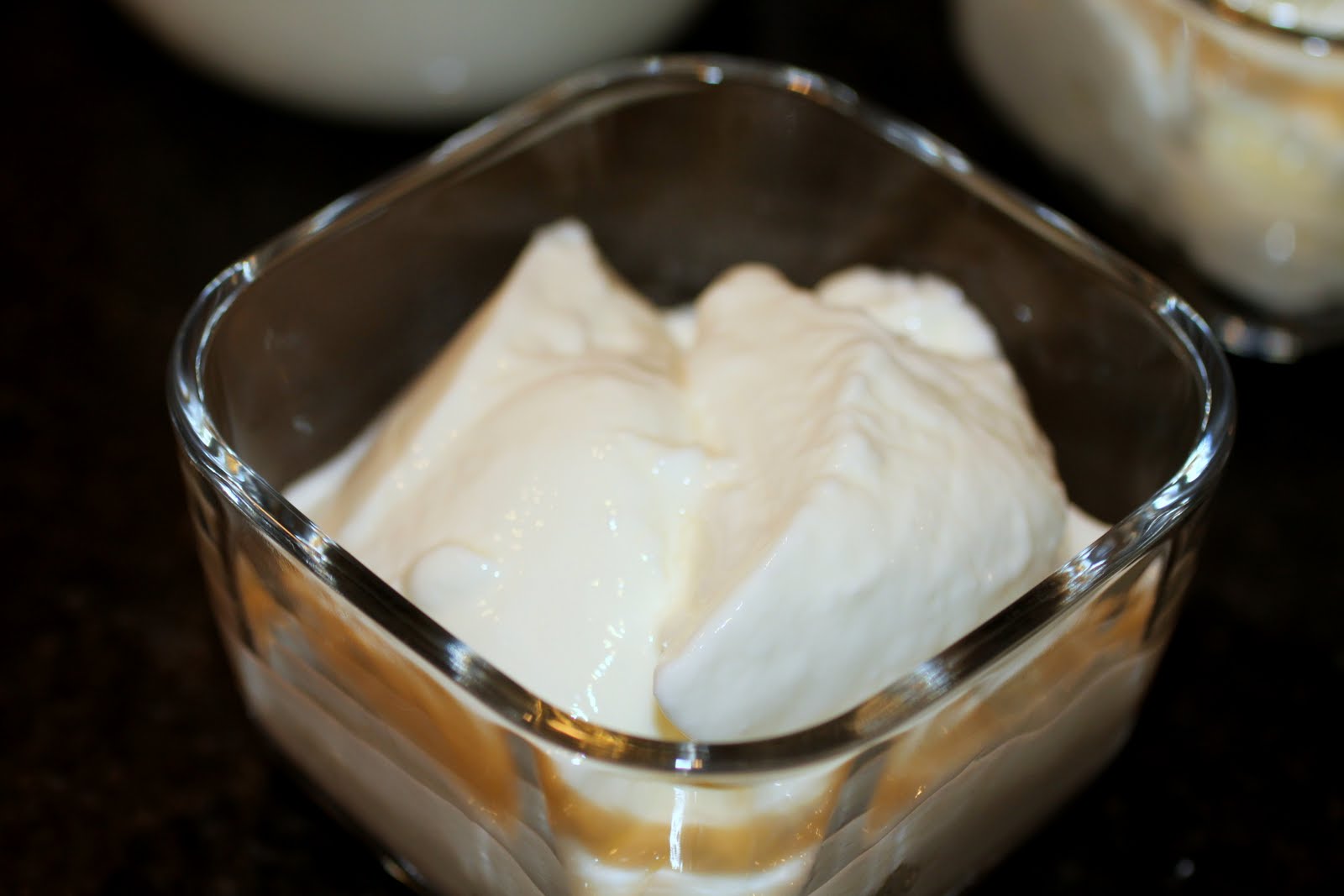
Homemade Yogurt
Ages: 6 months and up

Ingredients:
3 tablespoons commercial plain yogurt starter
2 tablespoons nonfat dry milk
21⁄2 cups milk
Large glass jar

Directions:
Prepare jar by pouring boiling water into it and letting it stand for a few minutes before emptying. (Put a spoon into jar to ensure that it doesn’t break.) Mix the dried and whole milk and heat in a saucepan carefully until it almost reaches a boil. Set aside to cool until milk is just warm. Mix in commercial yogurt starter and pour into prepared jar. Screw on lid and wrap jar in a piece of clean blanket and place it in a plastic bucket. Put the bucket in a warm spot in the house and let stand for 6 hours. Unwrap and refrigerate.
Note: How yogurt works: Bacteria live on the sugar in the milk and break it down into lactic acid which causes the milk to curdle and become like junket. As soon as the yogurt is the right thickness it must be placed in the refrigerator where the coldness stops the further growth of bacteria. If the milk is not chilled quickly enough, the curds separate and the yogurt becomes watery. If the milk is kept too warm, the bacteria are destroyed and the milk doesn’t thicken into yogurt.


Basic Oatmeal
Ages: 5 months and up

Ingredients:
1⁄2 cup rolled oats, unground
21⁄2 cups boiling water

Directions:
Pour oats slowly into boiling water. Cover and simmer 30 minutes. Addmilk or formula for desired consistency. As with all cereals, any fruit, vegetable or meat puree can be added.
Note: Make your initial cereal mixtures very moist when baby is first beginning to eat solids. You can increase thickness as baby gets used to the new texture.


Corn Cereal
Ages: 8 months and up

Ingredients:
1⁄4 cup yellow cornmeal
1⁄4 cup cold water
2 teaspoons wheat germ
3⁄4 cup boiling water
1⁄4 cup nonfat dry milk (optional)

Directions:
Mix together the cornmeal, cold water, and wheat germ. Add cornmeal mixture and nonfat dry milk to the boiling water. Stir constantly, bringing to a boil, then simmer for 2 minutes. Serve with pureed fruit.


Vegetable Puree
Ages: 4 months and up

Ingredients:
Any vegetable you would like

Directions:
Peel and chop vegetable into small pieces. Steam or boil them in as little water as possible until they are tender, then blend them with the cooking liquid left over. Mash with a fork or put in food processor or blender.
Note: Here are some great tasting foods to add to your vegetable puree for babies 6 months and older: cottage cheese, plain yogurt, egg yolk and wheat germ. To make a soup, just add extra milk, formula, or vegetable cooking water.


Pumpkin Bake
Ages: 6 months and up

Ingredients:
1 cup cooked, mashed pumpkin
1⁄2 cup cottage cheese
1 tablespoon wheat germ

Directions:
Preheat oven to 350°F (180°C). Butter a small ovenproof dish. Combine pumpkin and cheese and place in dish. Sprinkle wheat germ over the top and bake in oven for 10 minutes.
Note: Wilted, bruised or old vegetables have lost much of their vitamin C, so look for fresh vegetables even if they cost a bit more. Buy the vegetables that are in season and eat them as soon as possible. Avoid canned vegetables whenever possible. Buy organic vegetables whenever possible.

Tuesday, September 11, 2012

How to make Pan-fried Shrimp, Olives, and Tomatoes

The deep tastes of the Mediterranean in this dish highlight the sweet flavor of the shrimp.

Ingredients:
Shrimp, or monkfish, scallops, or squid
1 tbsp olive oil
1 onion, finely chopped
2 garlic cloves, grated or finely chopped
12 large raw shrimp, peeled and tail left intact
splash of dry sherry, or dry white wine
6 tomatoes, skinned, seeded, and chopped
large handful of mixed olives, pitted
salt and freshly ground black pepper
handful of basil and flat-leaf parsley, chopped

Here's how:
  • Heat the oil in a large frying pan over medium heat. Add the onion, and saute for about 5 minutes until soft and translucent. Add the garlic, and cook for a few seconds, then add in the shrimp and cook over high heat, until they are just turning pink.
  • Add the sherry, and continue cooking for 5 minutes, stirring, until the alcohol has evaporated. Add the tomatoes and olives and cook for a further couple of minutes, stirring occasionally, until the tomatoes start to break down. Season well, and stir in the herbs. Serve immediately with fresh crusty bread.

Mouthwatering Seafood Risotto Recipe

Replace the scallops and shrimp with squid for a more economical dish.

Ingredients:
Shrimp and scallops, or squid, and any mixed white fish, such as haddock and pollock
2–3 tbsp olive oil
1lb (450g) raw shrimp, peeled and deveined
salt and freshly ground black pepper
1lb (450g) mixed white fish, cubed
16 scallops, roe removed
2 knobs of butter
2 onions, finely chopped
4 garlic cloves, grated or finely chopped
8 cups hot vegetable or fish stock
11⁄2lb (675g) risotto rice
1 cup medium white wine
6 tomatoes, skinned, seeded, and finely chopped
large handful of flat-leaf parsley, finely chopped
handful of dill, finely chopped
lemon wedges, to serve

Method:
  • Heat half the oil in a frying pan, add the shrimp and seasoning, and cook for a couple of minutes. Remove and set aside. Add the fish, and more oil, if needed, and cook for a couple of minutes, or until cooked. Remove and set aside.
  • Season the scallops, add to the pan with more oil, if needed, and cook for 2 minutes each side. Remove and set aside. Add a knob of butter to the pan, then the onions, and cook over low heat for 5–8 minutes, until soft. Stir in the garlic. Put the stock in a large pan and keep on a low simmer.
  • Stir the rice into the onions. Season, then pour in the wine and increase the heat. Allow to boil for a few seconds while the alcohol evaporates. Add the stock, a ladleful at a time, stirring until it is absorbed before adding more. Continue until the rice is cooked but still has a bit of bite; it should take about 20 minutes.
  • Stir in the tomatoes, seafood, and fish, then the herbs and remaining butter. Taste and season, then serve with lemon wedges.

Easy Haddock, Green Bean, and Artichoke Paella Recipe

Use paella rice if you can find it for this recipe, instead of the basmati. Serves 4-6

Ingredients:
Haddock, or cod or any other white fish
1 tbsp olive oil, plus extra if needed
1 onion, finely chopped
salt and freshly ground black pepper
pinch of turmeric
2 garlic cloves, grated or finely chopped
7oz (200g) green beans, trimmed
91⁄2oz (280g) jar artichoke hearts, drained and rinsed
4 tomatoes, skinned, seeded, and chopped
pinch of hot or regular paprika
14oz (400g) basmati rice
5 cups hot vegetable stock
11⁄2lb (675g) haddock fillets, pinboned, skinned,
and cut into chunky pieces
handful of dill or flat-leaf parsley, finely chopped
juice of 1 lemon

Directions:
  • Heat the oil in a large, heavy frying pan over medium heat. Add the onion and a pinch of salt, and saute for about 5 minutes until soft and translucent. Stir in the turmeric, then add the garlic, beans, and artichokes. Cook gently for about 5 minutes until the beans begin to wilt, adding a little more oil if needed.
  • Now add the tomatoes and paprika, and cook for 5 minutes. Add in the rice, and stir. Pour in half the hot stock. Bring to a boil, then reduce the heat and simmer for about 15 minutes. Add the remaining stock and the fish, cover, and cook over low heat for 10 minutes, or until the rice and fish are cooked.
  • Keep the lid on the pan until ready to serve, then stir in the fresh herbs and lemon juice. Taste, adjust the seasoning, and serve.

How to make Mango and Snapper Broth

A complete meal in a bowl. Green mangos add bite to a citrussy, fiery soup. 
Ingredients:
1 tbsp light soy sauce
2 tbsp Thai fish sauce
1 tbsp toasted sesame oil
1 tbsp mirin
1 tsp sugar
juice of 2 limes, or to taste
1lb 2oz (500g) red snapper fillets, pinboned,
skinned, and cut into 1in (2.5cm) cubes
2 stalks lemongrass, finely chopped
2 tbsp vegetable oil
4 red bird’s eye chiles, finely sliced
4 scallions, finely sliced
2in (5cm) fresh ginger, finely shredded
4 garlic cloves, roughly chopped
4 small green (under-ripe) mongos, peeled
and finely chopped
2 tsp palm sugar or dark brown sugar
2 tbsp rice wine vinegar
41⁄4 cups fish stock
8 lime leaves, torn
31⁄2oz (100g) egg noodles
31⁄2oz (100g) green beans, halved
salt
2 tbsp chopped cilantro leaves
1 tbsp shredded mint leaves

Here's how:
  • Combine the soy sauce, half the fish sauce, sesame oil, mirin, sugar, and juice of 1 lime, and spoon over the fish. Refrigerate for 20 minutes. Pound the lemongrass to a paste with a dash of water, using a mortar and pestle. Set aside.
  • Heat the oil in a wok or large pan and fry the chiles, scallions, ginger, and garlic for 30 seconds over high heat. Add the mongos and fry for 1 minute. Stir in the sugar until it begins to caramelize. Add the vinegar, lemongrass, stock, lime leaves, and remaining fish sauce. Bring to a boil.
  • Stir in the noodles, beans, and fish pieces (not the marinating liquid). Simmer for 3–5 minutes, until the noodles are cooked and the fish flakes easily. Season with salt, sharpen with lime juice, and add the herbs.

New England Clam Chowder Recipe

Clams must be cooked on the day of purchase, so when you find great clams, make sure you also have all the ingredients in your kitchen for this fabulous soup.

Ingredients:
13⁄4 (800g) clams, thoroughly washed
1 tbsp oil
4oz (115g) thick-cut bacon strips, diced
2 floury potatoes, such as Russet Burbank, peeled
and cut into chunks
1 onion, finely chopped
2 tbsp all-purpose flour
2 cups whole milk
salt and freshly ground black pepper
1⁄2 cup half-and-half
2 tbsp finely chopped flat-leaf parsley, to garnish

Method:
  • Discard any open clams, then shell the rest, reserving the juices (see page 279). Add enough water to the juices to make 2 cups. Chop the clams. Heat the oil in a large, heavy saucepan, and fry the bacon over medium heat for 5 minutes, or until crisp. Remove.
  • Add the potatoes and onion and fry gently for 5 minutes. Stir in the flour for 2 minutes, then add the clam juice and milk, and season. Cover, reduce the heat, and simmer for 20 minutes, or until the potatoes are tender.
  • Add the clams and simmer, uncovered, for 5 minutes. Stir in the half-and-half and reheat without boiling. Serve sprinkled with bacon and parsley, and provide saltines or oyster crackers on the side.

Variation
Manhattan cod and mussel chowder
Replace the clams with 21⁄4lb (1kg) mussels, adding 1 cup of dry white wine to the juices before topping up with water. When adding the potatoes, add 2 x 14oz (400g) cans tomatoes, 4 garlic cloves, finely chopped, and 1–2 tbsp tomato purée. Use only half the flour and replace the milk with fish stock. Add 21⁄4lb (1kg) cod fillets, cut into chunks, at the start of step 3. Omit the half-and-half. Sprinkle with thyme and serve with whole wheat bread.

Wednesday, August 15, 2012

Easy Japanese tofu hotpot Recipe

You'll need:
50g/2oz dried fish flakes
300g/11oz firm tofu, cubed
2 tablespoons light soy sauce
1 tablespoon granulated sugar
1 tablespoon sake
1 large egg, beaten
7 spring onions, roughly chopped

Preparation:
  • Spread the fish flakes evenly in the bottom of a flameproof casserole dish, and arrange the tofu on top.
  • Add the soy sauce, sugar, sake and 125ml/4fl oz water.
  • Cover and bring to the boil over a medium heat, then reduce the heat and simmer for 5 minutes.
  • Pour in the egg evenly over the top of the casserole, and sprinkle with the spring onions. Simmer for a further 30 seconds, covered, then serve immediately. (Serves 2)

How to make Fried mozzarella

Ingredients:
4 eggs
15g/1.2oz plain flour, seasoned with salt and freshly ground
black pepper
15g/1.2oz dried white breadcrumbs
600g/11.4lb mozzarella cheese
sunflower oil for deep-frying

Directions:
  • Beat the eggs in a bowl. Spread some seasoned flour on one plate and some breadcrumbs on another.
  • Slice the mozzarella into 5mm/1.2in pieces. Dredge the slices with the flour first, then dip into the beaten egg, then into the breadcrumbs. Dip again into the egg and again into the breadcrumbs to coat well.
  • Pour the sunflower oil into a deep heavy frying pan so that it is at least 2.5cm/1in in depth. Heat until a piece of bread dropped into the oil sizzles immediately.
  • Fry the coated cheese in the oil until golden. Remove with a spatula, drain on kitchen paper and serve hot.
© 2012 My Easy MenuSitemap│A Simple Template│Powered by Blogger